 Navigating your 2025 EcoVadis assessment with confidence
May 23, 2025
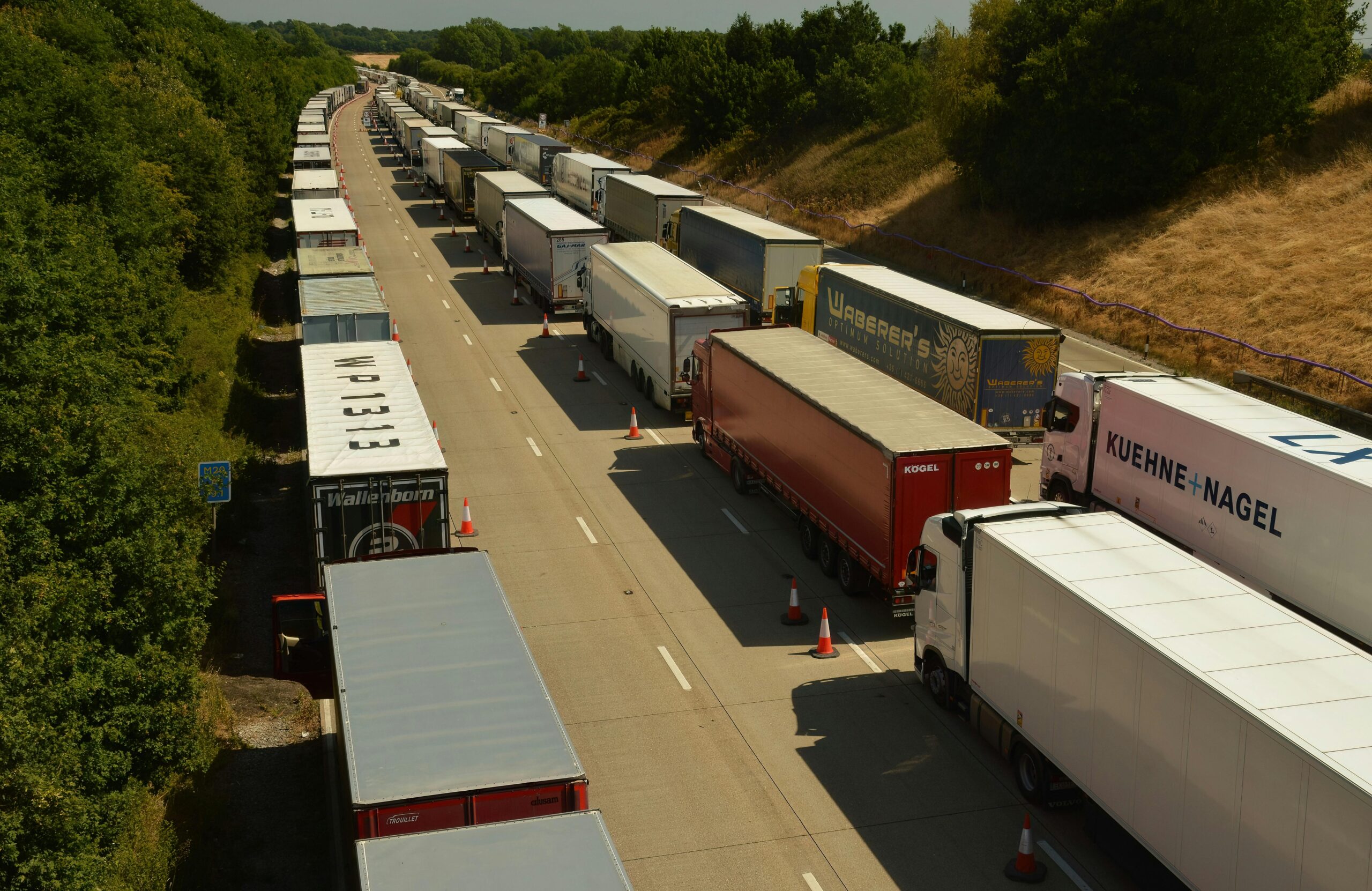


Your business is only as sustainable as your supply chain. With supply chains generating 11 times more greenhouse gas emissions than direct operations, and 67% of procurement leaders now integrating ESG data systems with suppliers, the pressure to engage effectively has never been greater.
The challenge? Many organisations approach supplier engagement as a compliance exercise—sending questionnaires, collecting data, and ticking boxes. This frustrates suppliers and delivers limited results. The alternative is treating engagement as a strategic partnership that creates shared value, builds resilience, and drives genuine sustainability improvements.
This article explores why supplier engagement matters, what makes it effective, and how you can implement a programme that works for both you and your suppliers.
Supplier engagement has evolved from a nice-to-have into a business imperative for three key reasons.
New due diligence legislation—including the EU’s Corporate Sustainability Due Diligence Directive, Germany’s Supply Chain Act, and France’s Duty of Vigilance Law—requires organisations to identify, prevent, and mitigate human rights and environmental risks throughout their supply chains. Compliance demands active engagement, not passive monitoring.
For most organisations, Scope 3 emissions from the value chain represent 60-90% of their total carbon footprint. Achieving net zero targets without engaging suppliers is impossible. You need accurate data, collaborative reduction plans, and suppliers who are on board with your climate goals.
Investors, customers, and employees increasingly scrutinise supply chain practices. Demonstrating that you’re actively working with suppliers to improve standards builds trust and protects reputation.
Effective supplier engagement creates value on both sides of the relationship. When done well, it’s not a burden, it’s an opportunity.
Building an effective supplier engagement programme doesn’t require starting from scratch. Follow these practical steps to create a structured approach.
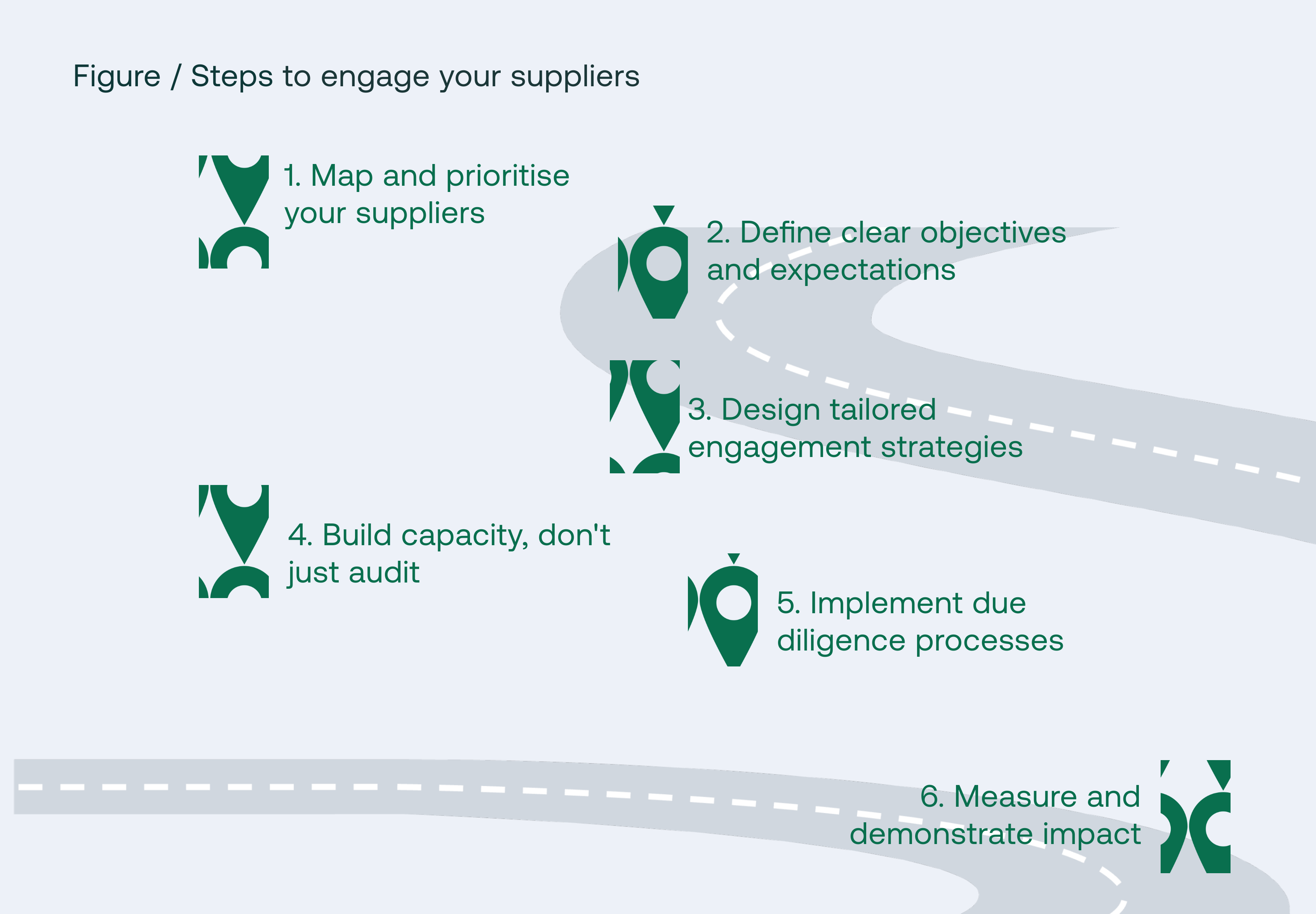
Start by understanding who’s in your supply chain and where the greatest risks and impacts lie. Create a comprehensive supplier map that includes key information such as location, sector, spend level, and sustainability performance.
Develop a risk scoring methodology that considers:
This prioritisation ensures you focus resources where they’ll have the greatest impact rather than trying to engage everyone at once.
Be specific about what you’re trying to achieve. Are you focusing on carbon reduction? Labour standards? Circular economy principles? Different objectives require different engagement approaches.
Communicate your expectations clearly to suppliers. This might include:
Transparency builds trust. Share your own sustainability goals and explain why supplier engagement matters to achieving them.
Not all suppliers need the same level of engagement. High-risk, high-impact suppliers may require intensive support including on-site visits, detailed audits, and regular check-ins. Lower-risk suppliers might simply need access to training resources and annual assessments.
Consider different engagement mechanisms:
Traditional approaches focus on auditing and monitoring. Whilst important, audits alone rarely drive improvement—especially for smaller suppliers with limited resources. Capacity building is essential.
Develop training programmes that are:
When suppliers understand what’s expected and how to achieve it, compliance improves dramatically.
Effective due diligence goes beyond initial assessments. Establish ongoing processes for:
Automation tools can significantly reduce the administrative burden of due diligence whilst improving data quality and consistency.
Define key performance indicators to track the effectiveness of your engagement programme. These might include:
Regular reporting helps demonstrate value to internal stakeholders and identifies where programme adjustments are needed.
Based on experience supporting organisations across sectors, these best practices consistently deliver better engagement outcomes.
To ensure that your supplier engagement is as effective as possible we recommend that you consider the following best practices:

A leading digital services provider in the banking sector needed to strengthen their Scope 3 emissions strategy. Their climate targets required engaging suppliers in decarbonisation efforts, but they lacked visibility into their supply chain’s climate readiness.
The company implemented a structured three-step engagement process:
They introduced their supply chain to the engagement programme through a customised Climate Maturity Survey designed to assess suppliers’ current sustainability practices and readiness.
Survey data was combined with desk research to evaluate each supplier across five critical dimensions: Motivation, Strategy, Reporting, Ratings or Certifications, and Targets. This created detailed supplier profiles.
A maturity curve visualised supplier performance across the value chain, revealing the diversity of sustainability practices and highlighting where to focus engagement efforts.
Armed with these insights, the company tailored support based on each supplier segment’s needs. They delivered two comprehensive training sessions focused on carbon accounting practices, data sharing expectations, target establishment, and emissions reduction strategies.
The structured approach enabled the company to prioritise resources effectively, build supplier capacity systematically, and make measurable progress toward their Scope 3 reduction goals. Suppliers appreciated the practical support rather than simply receiving demands, strengthening relationships across the value chain.
Supplier engagement involves collaborating with supply chain partners to align on and improve environmental, social, and governance practices—extending your sustainability impact beyond your own operations into your value chain.
Start by mapping your supplier base and applying risk scoring based on sector, geography, spend level, and sustainability performance. Focus initial efforts on high-risk, high-impact suppliers where engagement will deliver the greatest value.
Auditing is a compliance check—verifying whether suppliers meet standards. Engagement is broader and more collaborative, including capacity building, training, and partnership to drive continuous improvement. Effective programmes combine both.
Track metrics such as supplier ESG score improvements, training completion rates, reductions in supply chain emissions or incidents, percentage of spend under sustainability assessments, and supplier compliance rates. Regular dashboards help demonstrate progress.
This is where capacity building becomes essential. Provide training, tools, and practical guidance to help suppliers improve. Many smaller suppliers want to enhance sustainability practices but lack the knowledge or resources—targeted support addresses this gap.
Design your engagement programme to meet regulatory requirements whilst adding value beyond compliance. Structured due diligence processes, clear documentation, and robust monitoring satisfy legal obligations whilst building stronger supplier relationships.
Begin with a supplier risk assessment to understand your landscape and priorities. Identify 5-10 key suppliers for a pilot programme. Test your engagement approach, learn what works, and then scale to broader supplier groups based on those insights.
Supplier engagement done well transforms your supply chain from a source of risk into a source of competitive advantage. It requires investment in time, resources, and relationships but the returns are substantial.
Whether you’re starting from scratch or enhancing an existing programme, focus on building genuine partnerships. Provide clarity about expectations, support suppliers with practical capacity building, leverage technology to streamline processes, and measure progress rigorously.
The organisations succeeding with supplier engagement aren’t those with the biggest budgets or the most sophisticated systems. They’re the ones that treat suppliers as partners in a shared sustainability journey.
Download our factsheet on data collection throughout the supply chain, featuring perspectives from both buyers and suppliers with specialised tips for each scenario.
Ready to strengthen your supplier engagement strategy? Get in touch to discuss how to build an effective programme for your organisation.
If you are interested in mothly ESG updates, sign up to our newsletter.