 Navigating the CSDDD: What businesses need to know
June 24, 2024
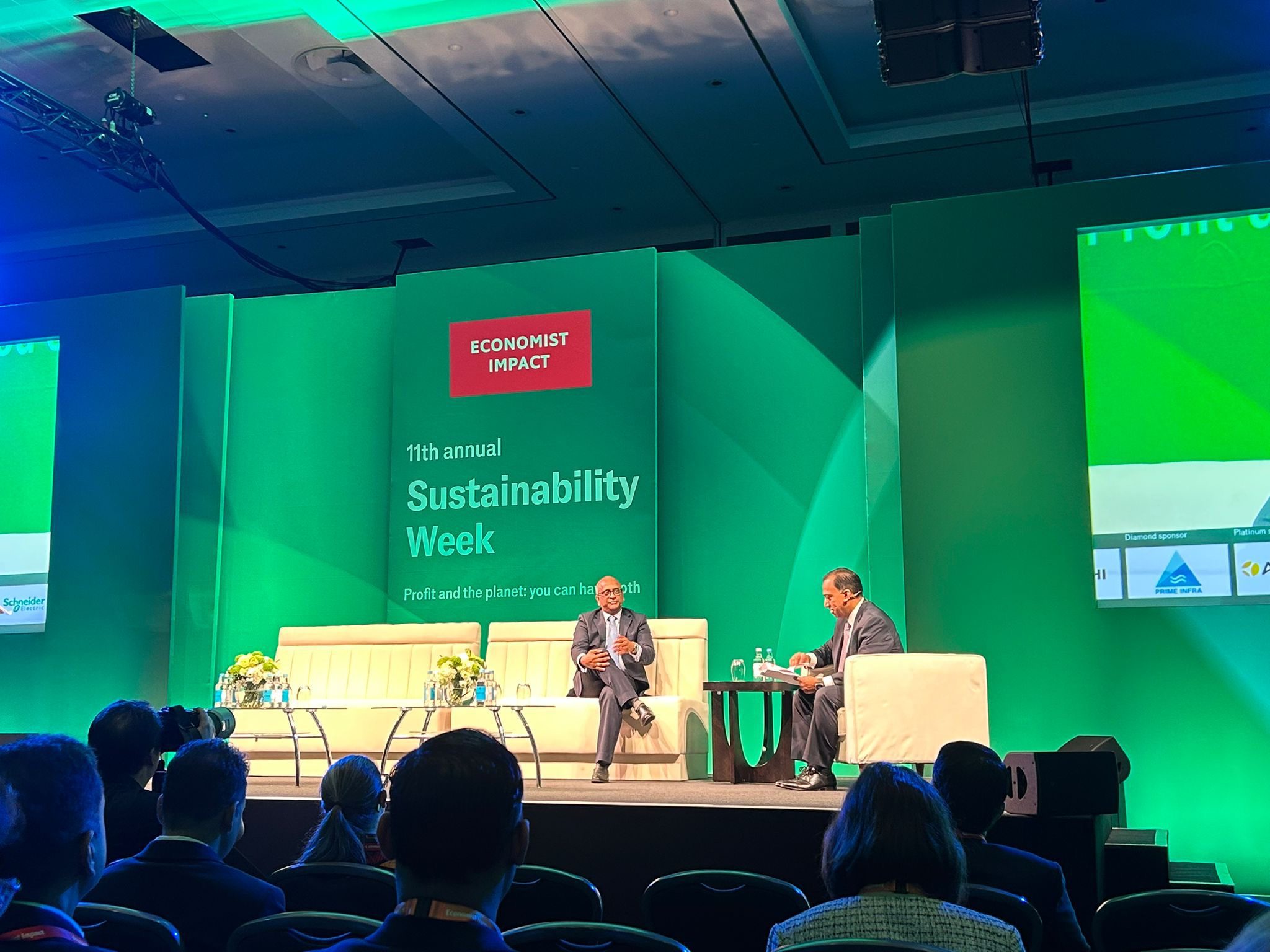

Economist Sustainability Week 2026 gave a clear view of where sustainability action is heading right now. We joined in by listening to sessions on everything from tech in decarbonisation to procurement shifts and AI’s role.
The big takeaway? Sustainability is becoming a real business advantage, helping companies stay resilient amid geopolitical changes, build better supply chains, and make smarter decisions. It’s less about ticking boxes and more about working with suppliers to get results.
The talks felt grounded, with speakers from organisations such as JP Morgan, Unilever, and Economist Impact themselves sharing real-life examples. A few key themes kept coming up, each one pointing to practical next moves for teams handling procurement, reporting, or supplier work.
The UN Global Compact highlights how effective carbon management often signals broader operational excellence. Unilever reinforced this perspective by advocating a partnership-oriented approach. Rather than imposing strict demands on suppliers, invite them to join the net-zero journey with support over a 3 to 5 year horizon. Smaller suppliers often want to make progress but lack guidance and resources.
This aligns with our work at Nexio Projects, exemplified by our collaboration with Unilever through the PACT initiative and their Supplier Climate Programme. We helped suppliers like Rose Acre Farms by conducting life cycle assessments (LCAs) and product carbon footprints (PCFs). Key elements included:
Read more about the collective impact in our article.
At Nexio Projects, we build on this through structured supplier engagement. Our process features diagnostic reviews to assess readiness, tailored strategies aligned with business goals, capacity-building workshops, and KPI tracking via real-time dashboards. This transforms suppliers from passive respondents into active partners driving measurable decarbonisation.
The key takeaway for procurement teams: Prioritise collaborative engagement to foster transparency, accelerate Scope 3 progress, and integrate sustainability as a core driver of business resilience.
Download our newest supplier engagement guide for more tips on value chain excellence.

JP Morgan’s panel highlighted how the previous model of inexpensive Russian gas and reliable US energy support has ended, intertwining sustainability with energy security and national defence. Investors are prioritising resilience projects, such as grid modernisations and renewables for allied nations, with $1.5 trillion allocated to these efforts. Companies are recalibrating their messaging, from environmental advocacy to future-proofing security.
Meanwhile, AI drives further demand for renewable energy. ClientEarth noted rising litigation trends in greenwashing, directors’ duties, and polluter-pays principles, with firms potentially facing accountability for their share of global emissions. For supplier and risk managers, this underscores the value of aligning sustainability initiatives with broader strategic objectives like security, thereby accessing capital and mitigating legal exposure.
Carbon capture is moving quickly, and it is becoming especially important in sectors that are both high-emitting and strategically essential to everyday life. Cement is a clear example that we saw at the event. It underpins global infrastructure, but it also has unavoidable process emissions, which means deep decarbonisation will not happen without Carbon Capture, Utilisation, and Storage (CCUS).
Encyclis, a waste management specialist, explained that while the technology is established, its business case has now reached maturity, delivering economic viability. Low-carbon cement achieves parity with conventional products in quality and cost, positioning it as a competitive necessity. Once shared infrastructure is established, adjacent sectors such as energy-from-waste, heavy industry, and shipping can integrate seamlessly, reducing Scope 3 emissions at scale.
For supply chains, the takeaway is that this is not a “nice to have”. In high-impact sectors like cement, CCUS is a must to decarbonise, and progress will depend on shared approaches with suppliers rather than isolated efforts. If you already have carbon footprint checks that highlight hotspots, pairing that insight with supplier transition plans helps teams move faster, with less cost and complexity than acting alone.
Economist Impact’s Resilient Food Systems Index looked at 60 countries on metrics such as affordability, availability, quality, safety, and handling climate risks. The Resilient Food Systems Index reveals a significant 42-point global resilience gap. Leading food exporters average 71/100, stabilising markets, while others face vulnerabilities in key areas.
Recommended actions include:
These steps prompt supply chain teams to assess food-related suppliers against these metrics to identify risks early.
Sessions on AI demonstrated practical sustainability applications, such as improved methane leak detection, shortened agricultural research timelines and energy-efficient climate models that surpass traditional approaches in accuracy with lower operational power use. Challenges persist, however; model training demands significant energy, and shifting climate conditions can undermine the relevance of historical data. Success hinges on quality inputs, expert oversight, and infrastructure to improve energy efficiency per computation.
Biodiversity panels urged systematic risk assessment, covering pollution, habitat loss, and species impacts, via frameworks like the Taskforce on Nature-related Financial Disclosures (TNFD). Selecting any robust framework initiates progress, allowing firms to quantify dependencies, align with investor expectations for nature-positive outcomes, and shift from short-term focus to forward-looking data resilience.
The key takeaway: Prioritise data foundations to unlock AI’s potential and manage biodiversity exposures effectively.
Our guide on leveraging AI prompting in ESG efforts provides actionable steps to harness these tools, streamlining better data and enhancing reporting accuracy.
Download and explore the possibilities!
Across the week, the message was clear:
Sustainability wins when it’s built into how you work with suppliers, track impacts, and plan ahead. Geopolitics adds urgency, tech speeds things up, and resilience ties it all in. Companies making headway share the load, less duplicate asks, more joint action.
It’s like what happens when teams run clear carbon assessments or streamline supplier programmes: efforts turn into real cuts and stronger reporting that everyone can trust.
These insights from Economist Sustainability Week 2026 align directly with Nexio Projects’ expertise in turning sustainability challenges into actionable outcomes. As an international sustainability consultancy based in Rotterdam, we guide organisations from compliance to purpose. Our team of over 50 professionals collaborates with clients to navigate complex challenges, offering services from climate decarbonisation strategies across the supply chain to managing ESG ratings and reporting frameworks.
Recognised by Verdantix as one of the top 10 boutique ESG consultancies globally, we are committed to the highest standards of social and environmental performance as a Certified B Corporation since 2018. With over 400 successful partnerships worldwide, we empower clients to implement the week’s key themes. Through collaborative supplier engagement, precise carbon footprinting, or data-driven roadmaps, we deliver measurable resilience and impact across industries and regions. Contact us to explore how we can help your team act on these priorities.
Sign up to our newsletter to see our presence in more events, talking about ESG trends and best practices.