 The sustainability ‘new’s of 2026: Your readiness package
March 27, 2026
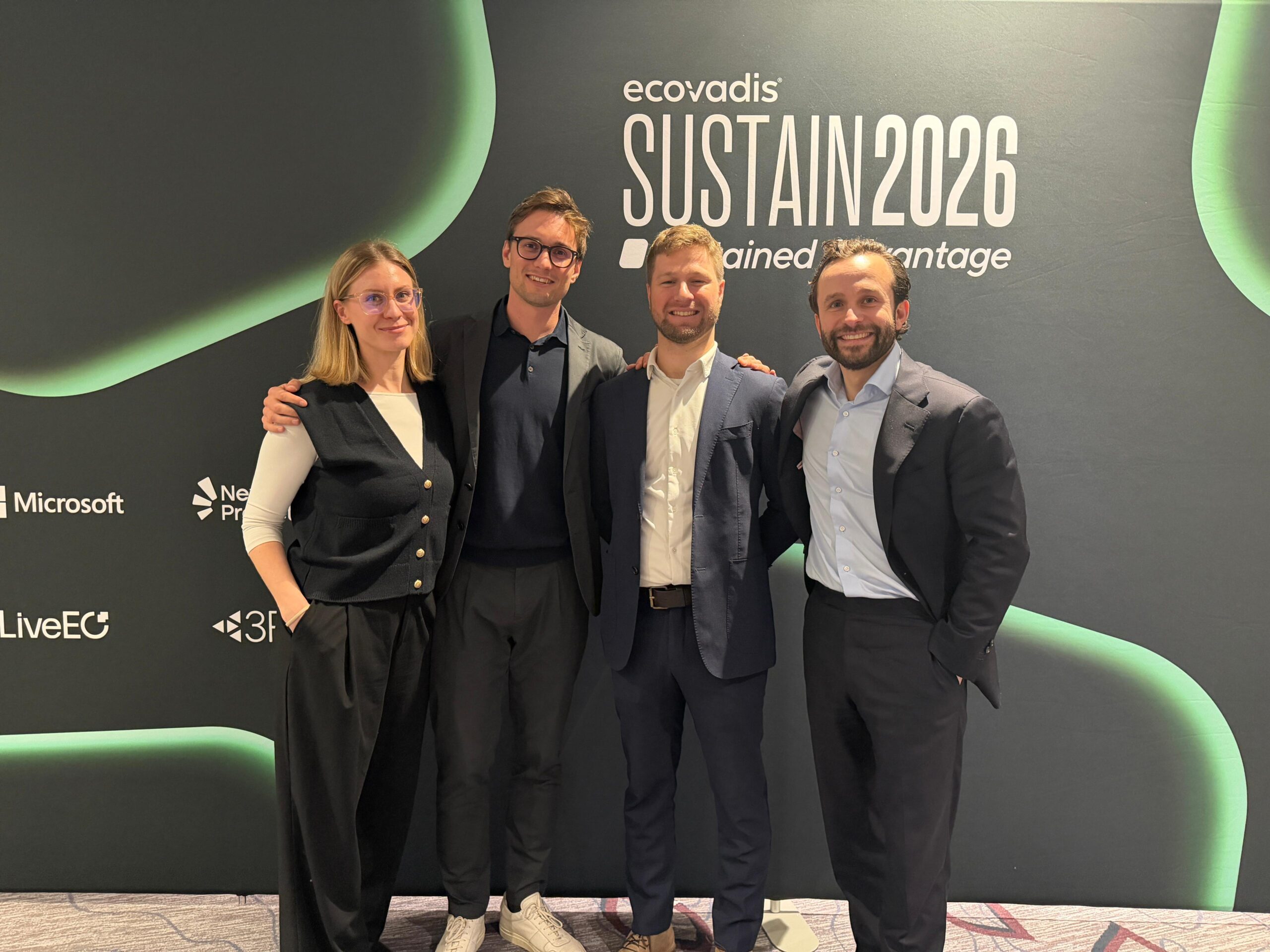

For Nexio Projects, EcoVadis Sustain 2026 marked our eighth year joining the community in Paris. The value of Sustain is not just the scale of the network, but the clarity it brings. Across the Partner Summit, sector-led sessions, and practical discussions with procurement and sustainability leaders, one theme kept returning: responsible supply chains are moving from individual programmes to shared systems that make improvement easier to deliver, and harder to delay.
This year, the strongest signals came through five strategic shifts.
In several sessions on sector initiatives, the message was clear. Collaboration is no longer a side-track to “real work”. It is quickly becoming the way work gets done.
EcoVadis’ sector initiatives show what happens when competitors align around shared expectations. Scale matters here. When initiatives bring together large groups of member organisations and tens of thousands of suppliers, they create a consistent signal that individual companies struggle to achieve on their own.
The payoff is practical for everyone involved:
A strong example is the Responsible Health Initiative. Through RHI, Nexio Projects has helped deliver practical supplier engagement and training programmes on human rights due diligence and decarbonisation. This supports suppliers in building capability and moving from requirements to implementation. This is what collective action looks like when it is done properly: common direction, shared learning, and measurable progress that no single company could achieve alone.
If you would like the fuller story and concrete examples of our work and impact, read our piece.
Human rights due diligence came through as a space where expectations are rising and tooling is catching up.
In conversations focused on human rights and supplier due diligence, open-source approaches like the Converged HREDD Assessment Tool were referenced as a step towards reducing duplication while raising the bar on substance. The direction of travel is important. It is moving away from “who filled in the most forms” and towards “who can demonstrate meaningful processes, evidence, and outcomes”.
There was also a forward-looking thread in these discussions: remedy. Collective grievance mechanisms, aligned with CSDDD, were positioned as a logical next step for companies and sector groups that want to move from assessment to accountability.
The key implication for companies is ownership. Better tools and frameworks only translate into better outcomes when responsibilities are clear internally, and when follow-up with suppliers is resourced and governed like any other business-critical process.
A recurring frustration across sessions was that measurement continues to outpace implementation. In decarbonisation discussions, the most compelling examples focused on “how” rather than “what”.
The strongest message was that real impact is happening through deep collaboration, capability-building, and co-innovation with suppliers. Schneider Electric’s Energize programme was cited as a model because it does not leave suppliers alone with targets. Instead, it pools demand, builds supplier capability, and enables real purchasing mechanisms, including power purchase agreements.
The wider point was simple. If every buyer pushes separately, suppliers are asked to do more, but are enabled to do less.
This is where sustainable procurement can shift from compliance control to a progress engine. When procurement teams connect supplier plans to incentives and real commercial opportunities, sustainability stops being treated purely as a cost and starts being managed as a performance driver.
Download our guide on supplier engagement to see concrete strategies and actions.
Across multiple discussions, another recurring theme was that AI is moving sustainability intelligence closer to day-to-day decision-making. But that only works when the underlying data and evidence are strong.
AI does not solve data integrity. It amplifies whatever is already there. That is why the foundations matter more than ever:
When these basics are missing, teams lose time reconciling spreadsheets, validating claims, and reworking requests. When the foundations are strong, AI can help reduce friction and increase speed without undermining credibility.
Sustain also made it clear that AI is changing workflows, not responsibilities. One practical implication discussed was the shift in effort when completing EcoVadis questionnaires: less time spent on document chasing and formatting, and more time needed for validation and decision-making.
EcoVadis’ direction on AI was pragmatic:
In short, companies that invest now in strong data and evidence foundations will be better positioned as AI becomes more embedded in assessments and supplier management workflows.
Download our newest EcoVadis guide to learn more about the raising expectations and changes to the assessment.
Lastly, Sustain discussions sharpened the “why” behind the operational shifts. The language of resilience came up repeatedly, and it felt like a genuine evolution in how sustainability is being positioned.
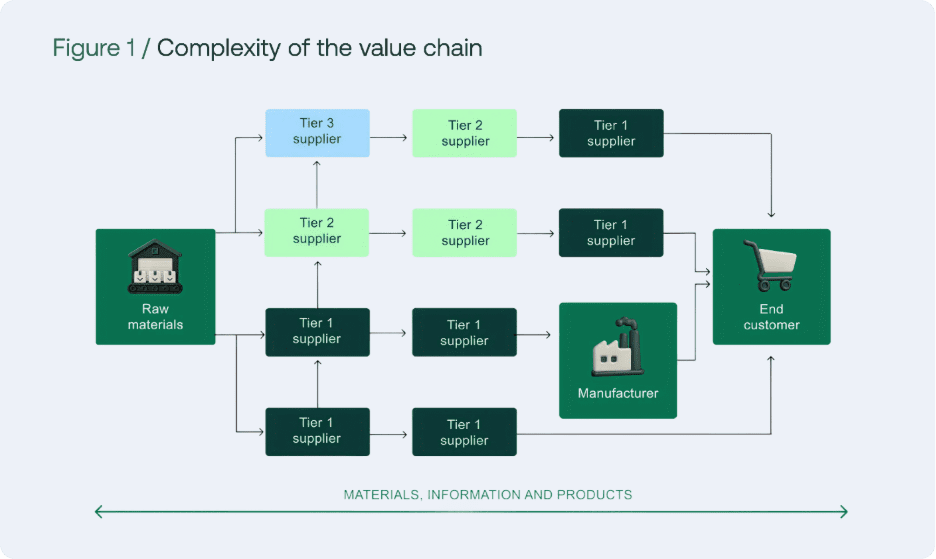
Companies are increasingly moving from isolated risk management to systems thinking. Supply chain resilience strategies now need to reflect interconnected risks across environmental disruption, human rights, geopolitics, and technology. And because those risks cross organisational boundaries, trust becomes a performance multiplier.
Speakers and peers repeatedly linked trust with tangible outcomes:
Governance was framed as the credibility layer beneath it all. Boards are treating sustainability as strategic competence, with clearer accountability at senior levels. For many organisations, that is the difference between ambition and execution.
Sustain also gave a clear view of where the EcoVadis ecosystem is going. At the Partner Summit, partnership models were discussed with more tiering, clearer specialisations, and a higher bar for delivery. Nexio Projects was recognised within this context, reflecting our focus on practical transformation and measurable outcomes.
In sessions and conversations with peers and clients, the same challenges surfaced repeatedly: supply chain complexity, a shifting regulatory landscape, and the need for actionable roadmaps.
This is where our solutions, EcoVadis and beyond, are focused. We help organisations improve performance without overloading teams or suppliers, from evidence readiness and programme design through to supplier engagement and governance. Where organisations are aiming to improve their score, the best approach is to strengthen the operating model that sits behind the rating, so progress holds up over time and under scrutiny.
Across the event, the practical takeaway was that responsible supply chains are being built through shared infrastructure and stronger execution, not louder requirements. Good to remember the importance of:
Map where supplier asks overlap across teams and business units, then simplify what you request, how you request it, and when you request it.
Build supplier engagement that includes training pathways, clear milestones, and support to act on priorities.
Link improvement plans to real commercial value, so suppliers can justify investment and procurement teams can see outcomes.
Invest in consistent data governance so AI and reporting improve decision-making rather than adding noise.
Bring EcoVadis results into procurement, risk, and supplier development discussions to monitor supplier progress over time, prioritise where engagement is needed, and translate insights into clear action plans for your categories and supplier segments.
If Sustain 2026 showed anything, it is that the organisations making the most progress are building systems suppliers can work with, not processes suppliers have to fight through. If you are willing to take that next step, Nexio Projects is ready to help as a key partner throughout the whole supply chain.
Book a consultation with our experts who have supported over 1000 EcoVadis projects across sectors.
You can subscribe to our newsletter for monthly ESG news, EcoVadis updates and more.